Grants for Automation in the Manufacturing Sector in Quebec
Guide to grants for automation in Quebec's manufacturing sector. Fund your equipment projects and boost your productivity.
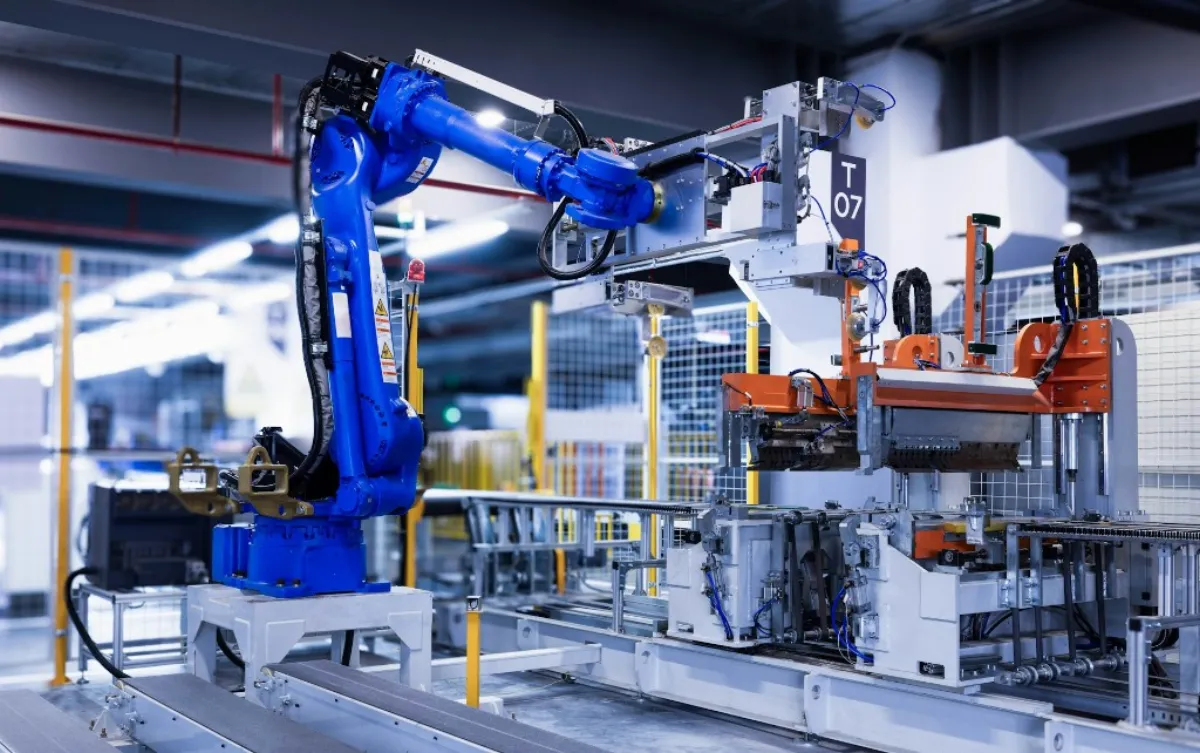
For Quebec’s manufacturing industry, the race for productivity is more intense than ever. Facing global competition, cost pressures and a shortage of qualified labour, automation and robotization are no longer options, but strategic necessities for ensuring survival and growth.
Aware of this major challenge, the Quebec government offers several grant programs for automation in the manufacturing sector to help companies finance these transformative investments.
In this article, you will see how these programs can help you finance equipment purchases, learn to evaluate the profitability of your project, and prepare a solid funding application to transform your factory into a 4.0 facility.
Grants for Automation in the Manufacturing Sector: An Overview
Grants for automation in the manufacturing sector come in various forms: direct investment aid, subsidized loans, refundable or non-refundable tax credits. Two key mechanisms in Quebec are particularly relevant: the ESSOR program administered by Investissement Québec and the Investment and Innovation Tax Credit (C3I).
1. The ESSOR Program via Investissement Québec
The ESSOR program aims to support productive investment projects that have a structuring impact on the competitiveness of Quebec businesses. In a manufacturing context, this includes:
- Integration of industrial digital technologies
- Modernization of production lines
- Implementation of robotic cells
- Acquisition of automated equipment
ESSOR can take the form of a financial contribution, loan or guarantee, depending on the applicable stream. Project analysis generally relies on:
- Regional impact
- Job creation or retention
- Measurable productivity improvement
- Structuring effect on the company
This is not a simple purchasing aid: the project must demonstrate tangible economic impact.
Current criteria and streams are detailed on the official Investissement Québec website.
2. The Investment and Innovation Tax Credit C3I
The Investment and Innovation Tax Credit (C3I), administered by Revenu Québec, aims to encourage companies to invest in productive equipment and digital technologies.
Unlike ESSOR, the C3I functions as a tax credit calculated based on eligible investments made in certain asset categories, including:
- Digital technologies integrated into operations
- Specialized computer equipment
- Manufacturing and processing equipment
The rate varies depending on the region where the investment is made, which can benefit certain manufacturing zones.
The C3I may be refundable depending on the company’s situation, making it a particularly interesting tool for growing SMEs.
Technical details and eligible asset categories are available on the Revenu Québec website.
ESSOR vs C3I: A Complementary Approach
| Key Element | ESSOR | C3I |
|---|---|---|
| Type of aid | Financial contribution / loan | Tax credit |
| Timing of support | Before or during the project | After investment |
| Main objective | Structuring project and competitiveness | Fiscal cost reduction |
| Regional impact | Yes, analyzed factor | Yes, variable rate by region |
| Suited for | Major modernization project | Eligible equipment investments |
| Can be combined | Yes, under conditions | Yes, under conditions |
Before going further with the financial analysis, it may be pertinent to check which grants for automation in the manufacturing sector actually apply to your project. Contact us to discuss.
How to Evaluate the True Profitability of a Manufacturing Automation Project
Manufacturing automation must be analyzed beyond the simple cost of acquiring equipment. A robotic cell, an advanced CNC system or an integrated digital solution represent a structuring investment that transforms the entire value chain. The evaluation must therefore integrate the overall operational impact rather than being limited to the purchase price.
A well-analyzed project considers anticipated productivity gains, material loss reduction, improved production timelines and quality stabilization. Indirect savings from reduced unplanned downtime, fewer human errors and optimized internal logistics flows should also be considered.
Grants for automation in the manufacturing sector significantly change this financial equation. By reducing the net cost of the project, they accelerate the breakeven point and reduce the financial risk associated with modernization.
Rigorous modeling, including gross cost, applicable financial aid and measurable operational outcomes, enables a strategic decision based on concrete data.
This approach transforms automation into a structured investment rather than a one-time expense.
Book a Consultation
How to Prepare a Winning Funding Application
To prepare a winning funding application, you must first clearly identify your automation needs and the operational issues you are trying to solve. This could be a production bottleneck, an excessive scrap rate, over-reliance on labour, or an inability to increase volumes without compromising quality.
Once these needs are defined, the next step is to precisely document the envisaged solution. Detailed quotes from your equipment suppliers are essential, but they are not enough. Your file should also explain why this equipment is the most appropriate, how it integrates with your existing operations and what measurable improvements it will generate.
Finally, preparing a structured business plan is decisive. It must demonstrate the project’s impact on productivity, competitiveness and company profitability. Authorities want to understand the economic logic behind the investment: anticipated gains, implementation timeline, financial capacity to complete the project, and concrete outcomes for the organization.
A well-articulated, coherent file supported by quantified data significantly increases the chances of acceptance and accelerates the analysis process.
Conclusion
Automation is a major investment, but the grants for automation in the manufacturing sector currently available can make this investment much more affordable. By understanding the applicable programs and preparing a structured application, you can modernize your operations and sustainably strengthen your competitiveness.
If you wish to validate the eligibility of your project or structure a funding strategy adapted to your manufacturing reality, contact our team for a confidential analysis of your situation and identify the most relevant levers for your company.
Book a Consultation
FAQ
Do grants for automation in the manufacturing sector cover the entire project?
No, grants for automation in the manufacturing sector generally cover a portion of eligible expenses, depending on the program and the region where the investment is made. The objective is to reduce the net cost of the project and encourage modernization, not to finance the entirety of the equipment. A structured analysis can, however, optimize the combination of available aids.
Can ESSOR and the Investment and Innovation Tax Credit be combined?
In certain situations, it is possible to structure a project to benefit from both ESSOR support and the Investment and Innovation Tax Credit. However, eligibility rules must be respected, particularly regarding distinct expenses and conditions specific to each program. Prior planning is essential to avoid any inadmissible overlap.
Are digital transformation projects eligible?
Yes, digital transformation projects may be eligible when they involve the acquisition of productive equipment or the integration of digital technologies directly related to manufacturing operations. Eligibility depends on the asset categories recognized by the applicable program and the structuring impact of the project on productivity or competitiveness.
Should you wait for approval before purchasing equipment?
In most cases, it is strongly recommended to obtain formal confirmation before committing to significant expenses. Some programs require the application to be submitted and accepted before the project begins. Premature purchases can compromise eligibility or reduce the financial support the company would otherwise have been entitled to.

Elie Karam
President
Expert in grants and tax credits, Elie Karam has been helping Quebec businesses obtain government funding for over 15 years. His passion for innovation and deep expertise in financial assistance programs make him the ideal advisor to maximize your returns.
View LinkedIn profile