Agri-Food and Food Processing Grants in Quebec
Key takeaways: Food processors can fund automation, food safety, product reformulation and market development through MAPAQ programs and tax credits. The Food Processing Program (PTA) has been closed since August 2026, but the Healthy Eating Program and PADAAR are still accepting applications.
Agri-food grants in Quebec can cover up to 70% of a project's eligible expenses, depending on the program and stream. Avinova, a Laval-based firm, helps Quebec food processors identify this funding and submit complete applications that meet MAPAQ and Revenu Québec requirements.
Led by Elie Karam, who has helped Quebec businesses secure government funding for more than 15 years, the team works with more than 2,000 financial incentives. Every project, from a packaging line to a recipe reformulation, is matched with the most advantageous programs.
What agri-food grants can fund in your business
In short: Sector funding covers the plant, the product, market development and research.
Agri-food and food manufacturing grants do not all target the same expenses. For food processors, supported projects fall into these categories:
- Automation and productivity: line robotics, digitization or integrated management software (ERP), eligible under PTA stream 2 when it is open, and under the C3i tax credit for new equipment.
- Quality and food safety: implementing HACCP, a GFSI-recognized standard or organic certification, covered by PTA stream 3.
- Nutritional value: diagnostic studies and reformulation to reduce sodium, sugar or saturated fat, funded by the Healthy Eating Program.
- Market development: selling outside Quebec with Support for Food Exports (SEB) and, for groups, promoting regional products through PADAAR.
- Research and development: developing a preservation process or a new ingredient, eligible for SR&ED and Quebec's CRIC when the project involves technological uncertainty.
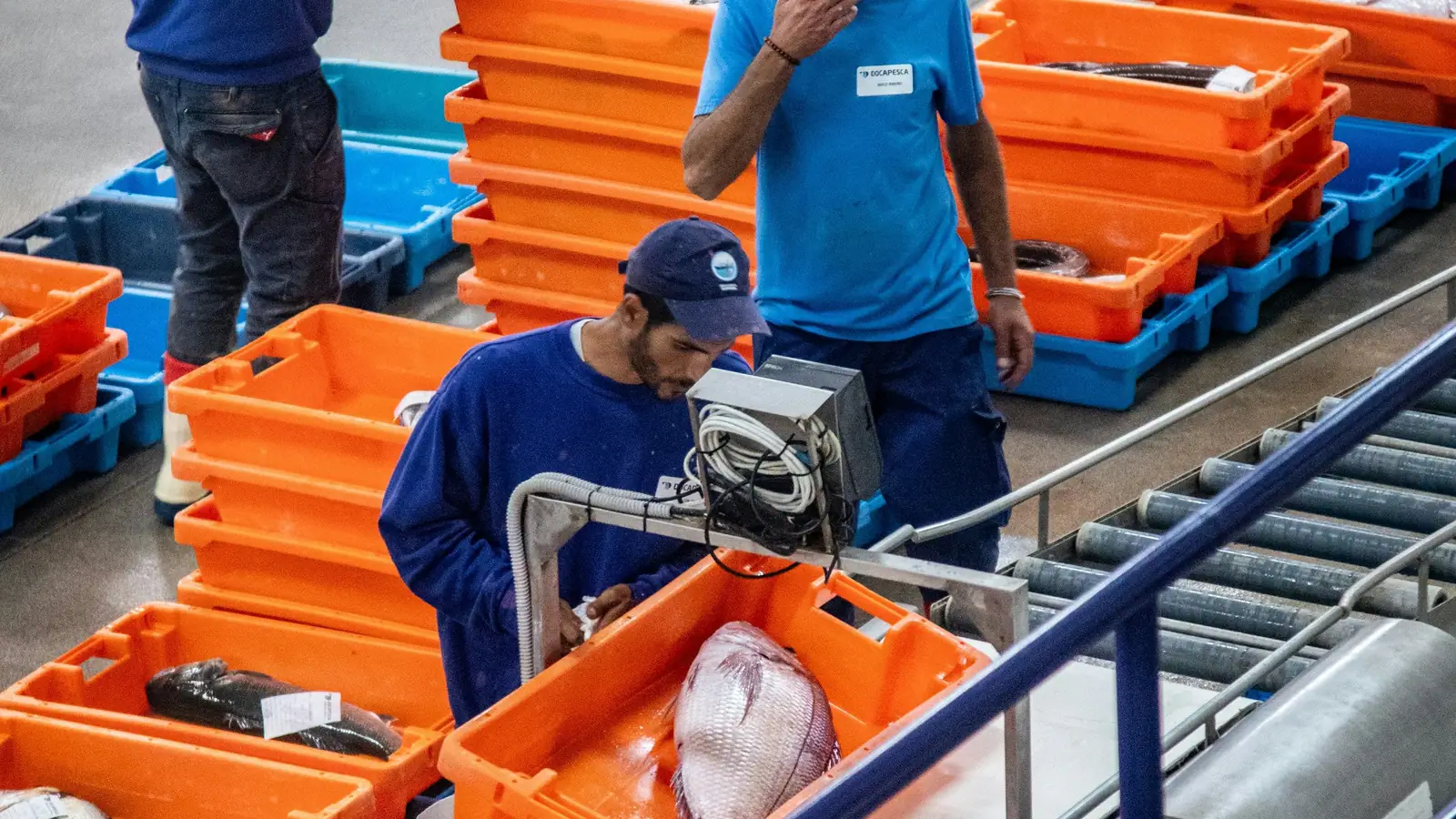
MAPAQ food processing funding programs
In short: MAPAQ programs form the core of sector funding, but each has its own applicants and timeline.
MAPAQ publishes the full list of its financial assistance programs for food processing and distribution (in French). For most food processors, three of them deserve close attention.
Food Processing Program (PTA)
The MAPAQ Food Processing Program funds productivity, competitiveness and environmental performance projects in plants, at 50% of eligible expenses up to $75,000 or $150,000 depending on the stream. Relaunched on July 20, 2026, with an $80 million budget over two years, it closed all its streams in August after the funds ran out.
No new intake has been announced, but a file prepared now can be submitted quickly if the program reopens.
Healthy Eating Program (PAS)
The Healthy Eating Program supports the development and reformulation of foods with good nutritional quality. Diagnostic studies are funded at 70% up to $100,000, and reformulation projects at 60% up to $150,000. Streams 1 and 2 accept applications on a continuous basis until March 31, 2029.
PADAAR for regional projects
PADAAR funds projects aligned with the priorities of each MAPAQ regional office, such as regional product promotion, at 50% up to $50,000 per project. Its measures mainly target farms, farm groups and local organizations. Applications are accepted on a continuous basis until February 15, 2027.
Tax credits and export support
These levers remain available when a MAPAQ program closes. The C3i tax credit reduces the cost of new production equipment by 15% to 25%, depending on the region where it is used.
R&D work can be claimed under the SR&ED program. To sell outside Quebec, Support for Food Exports (SEB) offers $15,000 to $100,000 per project.

Comparing food processing funding options
In short: The right program depends first on the type of project, then on the business profile.
| Project | Program to consider | Maximum assistance | Status in fall 2026 |
|---|---|---|---|
| Automate a production line | PTA, stream 2 | 50%, up to $150,000 | Closed since August 2026 |
| Implement HACCP or a GFSI standard | PTA, stream 3 | 50%, up to $150,000 | Closed since August 2026 |
| Assess a recipe's nutritional potential | PAS, stream 1 | 70%, up to $100,000 | Open until March 31, 2029 |
| Reformulate or develop a food product | PAS, stream 2 | 60%, up to $150,000 | Open until March 31, 2029 |
| Promote regional products | PADAAR, measure 4021 (groups and organizations) | 50%, up to $50,000 | Open until February 15, 2027 |
| Sell outside Quebec | Support for Food Exports (SEB) | $15,000 to $100,000 | Until funds run out |
| Buy new equipment | C3i tax credit | 15% to 25% of eligible costs | Property acquired before 2030 |
Actual amounts depend on eligible expenses and other assistance received for the same project, since each program sets its own stacking rules.
Torn between two programs? Have your project assessed for free before building your application.
Eligibility for agri-food grants in Quebec
In short: Eligibility depends as much on the company's financial health as on the nature of the project.
Before applying, a few conditions come up across programs:
- Processing in Quebec: MAPAQ programs target businesses registered in Quebec that process the covered foods there.
- Operating history: most PTA streams require at least 12 months of operations, while the Healthy Eating Program accepts a business plan from a company in its first year.
- Financial health: MAPAQ's simulator assesses your ratios, and a score of 1.29 or lower leads to an automatic refusal under the PTA.
- Timing of expenses: under the PTA and PADAAR, only expenses incurred after a complete application is filed are eligible.
- Up-to-date documents: financial statements audited, reviewed or compiled by a CPA, detailed quotes and, for a reformulation, the product's current label.
How Avinova prepares your agri-food grant application
In short: Support covers every step, from choosing the program to receiving the funds.
Project review and program selection
The team reviews your project, financial statements and timeline to identify the applicable grants and tax credits, with an estimate of potential amounts.
Validation with MAPAQ
Avinova prepares the arguments and data that support your discussion with the MAPAQ regional advisor, a key step for eligibility.
Building the application
Financing plan, quotes, performance indicators and nutritional documents for the PAS: each document is prepared according to the assessment criteria of the target program. The firm reports a 99% rate of claims accepted as filed.
Filing and follow-up until payment
The application is filed, then followed through to the decision and payment of the funds. Engagements are mainly contingency-based, meaning a percentage of the funding obtained, with fixed-fee or hourly options depending on the project.
Your food processing grant starts with a well-prepared file
With the PTA closed and other programs opening or closing as budgets allow, timing matters as much as eligibility. A well-targeted food processing grant, combined with tax credits, can cover a significant share of your next project's cost.
Book your free consultation to find out which programs apply to your business and get a clear financing plan.
Book a free consultationFAQ
Who can get an agri-food subsidy in Quebec?
Quebec-registered food processing businesses are the main applicants for the PTA and the Healthy Eating Program, provided they process the covered foods in Quebec. PADAAR mainly targets farms, farm groups and organizations such as regional county municipalities, but its program text also recognizes processors with annual revenue under $5 million. Each program then sets its own financial and documentation requirements for applicants, so eligibility must be checked case by case.
Can a start-up get a food processing grant?
Yes, depending on the program. The Healthy Eating Program accepts a business plan instead of annual financial statements when the business has been operating for less than a year. Most streams of the Food Processing Program require at least 12 months of operations. Tax credits such as the C3i or SR&ED can also apply from the first year, as long as the expenses and work carried out are eligible.
Can you buy equipment before applying for a grant?
It is best to avoid it. Under the PTA and PADAAR, only expenses incurred after a complete application is filed are eligible, and other programs apply similar rules. Buying too early can make part of the project ineligible. The C3i tax credit works differently, since it is claimed with the tax return after the property is acquired. Check the timeline carefully before signing any purchase order.
How much does Avinova charge for a grant application?
The initial consultation is free and assesses your agri-food project's eligibility and the programs that could apply. Engagements are then mainly contingency-based, meaning fees correspond to a percentage of the funding obtained. Fixed-fee or hourly options are also available upon request, depending on the nature, scope and complexity of the file. This fee structure directly aligns the firm's interests with the results actually achieved for your business.