MAPAQ grants: the 17 programs ranked for a food processor
Find out which MAPAQ grant a food processor can still apply for: 17 programs ranked, open or closed, plus the alternatives outside MAPAQ.

Key takeaway: MAPAQ lists 17 programs under its food processing assistance. As of October 25, 2026, eight are closed, two go through a group and three target seafood. For a MAPAQ grant applied for on your own, the Healthy Eating Program is the main option left, along with two narrower doors.
MAPAQ lists 17 programs under its financial assistance section for food processing and distribution. A processor looking for a MAPAQ grant in fall 2026 comes across a list that looks generous.
Read program by program, as of October 25, 2026, it narrows quickly. Eight programs no longer accept applications, several only accept groups or research centres, and three are open to processors only for aquatic products.
What remains is a handful of open doors for a business applying on its own, and a few alternatives outside the department.
MAPAQ’s list has 17 programs, and two questions are enough to read it
In brief: For each program, two answers settle almost everything: who is allowed to sign the application, and whether the program still accepts submissions.
The ranking below covers the 17 programs in the department’s order, with the status each official program page showed on October 25, 2026.
| Program | Who can apply | Status as of October 25, 2026 |
|---|---|---|
| Food Processing Program (PTA) | Processors, slaughterhouses, cheese plants | Closed since August 10 and 14, 2026 |
| Agri-Food Innovation | Research centres; stream 3: aquatic products companies | Streams 1 and 3 continuous intake until March 1, 2028 |
| PADAAR | Groups, organizations, farms | Continuous intake until February 15, 2027 |
| Healthy Eating Program (PAS) | Processors (streams 1 and 2) | Continuous intake until March 31, 2029 |
| Proximity Initiative | Farms and small processors | Closed on June 8, 2026 |
| Advisory Services | Stream 1: artisanal processors, farms | Stream 1 until January 15 of each year |
| Next-Generation Farmers and Entrepreneurship | Next-generation farmers | Closed on May 27, 2026 |
| Territorial and Sectoral Development | Consultation bodies, MRCs, associations | Through calls for projects |
| Écoemballage+ | Manufacturers and brand owners | Deadline of December 1, 2025 |
| Reserved Designations and Value-Added Claims | Associations and groups | Closed since October 27, 2025 |
| Northern Bio-Food Products | Projects north of the 49th parallel | Closed on June 29, 2026 |
| Bio-Food Export Support (SEB) | Processors that export | 2025-2026 edition closed |
| Individual Market Access Support (SIAM) | Processors with more than $250,000 in sales | Applications until funds run out, to be confirmed |
| Fight Against Climate Change (PALCCB) | Organizations and industry stakeholders | Closed since October 30, 2024 |
| Support for Commercial Fishing Businesses | Fishers | Until March 31, 2027 |
| Quebec Fisheries Fund | Fishing, aquaculture, aquatic processing | Applications since September 1, 2026 |
| Fisheries and Aquaculture Development | Including aquatic processors in maritime regions | Until March 31, 2027 |
Only three programs combine a land-based processor signing on its own with an open door: the PAS, stream 1 of the advisory services for artisans, and the SIAM, whose status remains to be confirmed.
The Healthy Eating Program, the main open door for a processor applying alone
In brief: Streams 1 and 2 of the PAS accept applications on a continuous basis until March 31, 2029, while the other two individual doors target specific profiles.
The PAS funds the food, not the plant. According to the agri-food grants page, the diagnostic study is funded at 70% up to $100,000, and the reformulation or development of a food product at 60% up to $150,000.
A granola bar manufacturer that wants to cut the sugar in its flagship recipe fits right in. The same manufacturer looking for a second packaging line finds nothing there, since the PAS does not pay for production capacity.
Two narrower doors
Stream 1 of the Advisory Services Program, administered by the Agriconseils networks, names artisanal food processing businesses among its eligible clienteles. Projects are submitted on a continuous basis until January 15 of each year, for services provided by advisors registered with the Coordination services-conseils.
The SIAM program from Aliments du Québec pays for entry into a new distribution network in Quebec, for example moving from retail grocery to hospital cafeterias. It requires at least one year of sales, revenue above $250,000 and a project of at least $20,000.
Assistance reaches 50% of eligible expenditures, up to 70% for a fully organic project that also targets the public institutional market, with a cap of $100,000 per 12-month period. The program’s 2023-2026 framework is coming to an end: a question to Aliments du Québec avoids building an application for nothing.
Your project involves the recipe, but you are torn between the PAS and the SIAM? Have your project assessed before preparing financial statements and quotes.
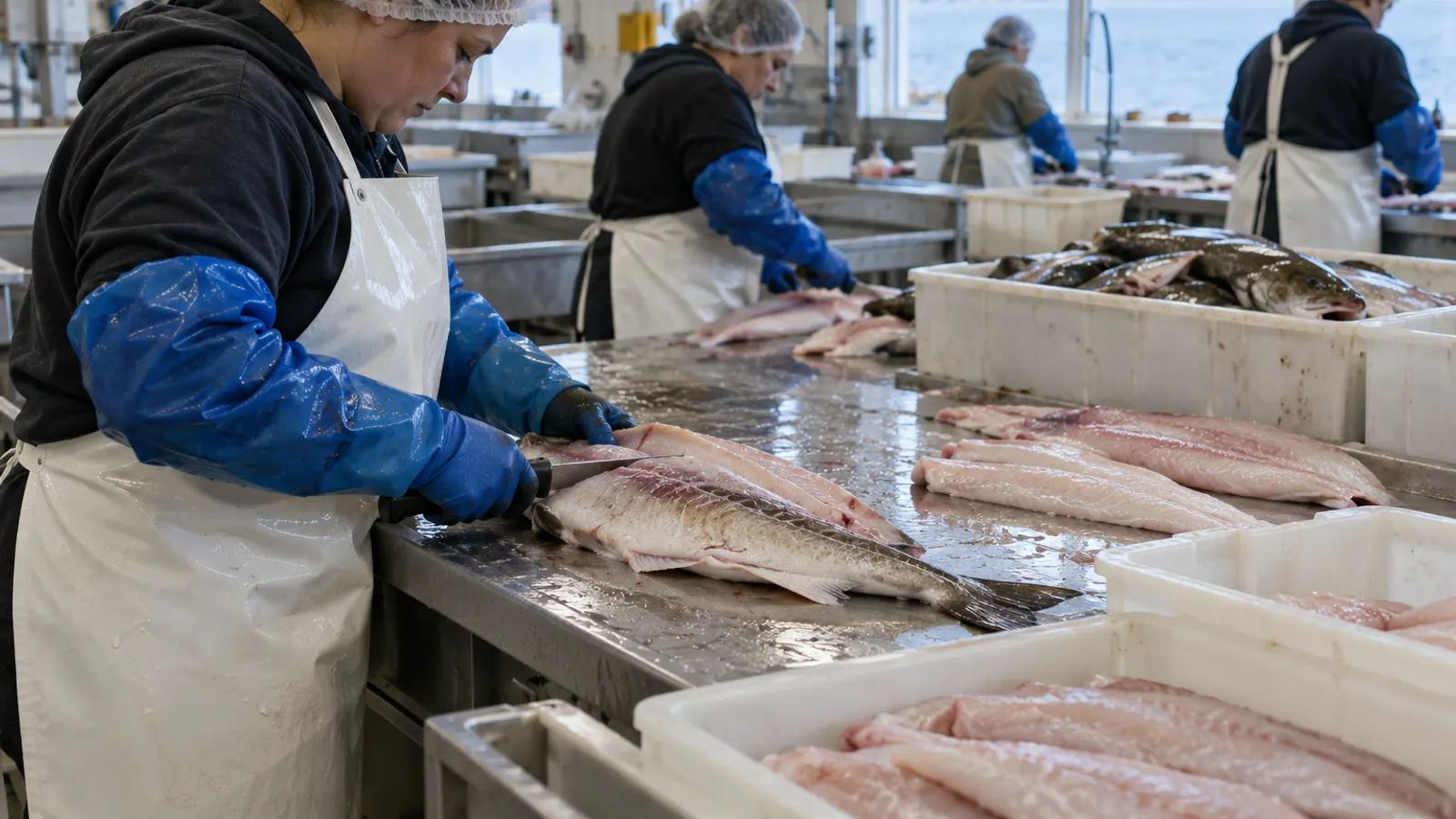
Seafood processors keep three doors open
In brief: A plant that processes fish or seafood has access to three programs that are still open, but closed to other processors.
Stream 3 of the Agri-Food Innovation program funds applied research by fishing, aquaculture and aquatic product processing companies. Assistance can cover 80% of eligible expenditures, up to $210,000 per project, with an extra 10% in the Magdalen Islands.
The project must involve scientific or technological uncertainty, follow a testing protocol and call on external experts. Applications are accepted on a continuous basis until March 1, 2028.
The Quebec Fisheries Fund, financed 60% by Ottawa and 40% by Quebec, has been accepting projects since September 1, 2026. It covers innovation, infrastructure and market development in particular, including a certification required by a foreign buyer.
The commercial fisheries and aquaculture development support program targets aquatic product processors in maritime regions, for a new product or a new process. It ends on March 31, 2027, or when funds run out.
Collective doors go through a group or a research centre
In brief: The PADAAR, territorial development and several streams of other programs remain open, but none accepts an application signed by a business on its own.
The PADAAR accepts projects on a continuous basis until February 15, 2027, submitted by groups, recognized organizations or farms depending on the measure. The Territorial and Sectoral Development Program operates mainly through calls for projects aimed at consultation bodies, associations and MRCs: the latest one, for sector planning, ended on November 6, 2026.
Stream 1 of Agri-Food Innovation names fourteen eligible research centres, from the Centre d’expertise fromagère du Québec to the Centre de développement du porc du Québec. Stream 3 of the PAS, which funds projects by organizations, closed its call on October 23, 2026.
For a processor, the useful step comes down to one move: getting known to its industry association or to the bio-food round table in its region. A cheesemaker who sits on the committee of a collective project benefits from the spin-offs without carrying the application.
Eight programs are closed, four of them in 2026 for lack of funds
In brief: The 2026 closures all stem from an exhausted envelope, which rewards applications that are ready before the opening.
The official program pages give the date, sometimes down to the minute:
- Next-Generation Farmers and Entrepreneurship. Closed on May 27, 2026, at 8:15 a.m., envelope exhausted.
- Proximity Initiative. Closed on June 8, 2026, at 2:45 p.m., for the same reason.
- Northern Bio-Food Products. Closed on June 29, 2026, as the 2023-2028 agreement had used up its funds.
- Food Processing Program. Streams 1 to 3 closed on August 10, 2026, stream 4 on August 14 at 4 p.m.
- Reserved Designations. No applications since October 27, 2025, at 4:15 p.m.
- Écoemballage+, PALCCB and SEB. A deadline of December 1, 2025, for the first, a call that ended on October 30, 2024, for the second, and a closed 2025-2026 edition for the third.
For the SEB, Groupe Export agroalimentaire still describes assistance of 50% of expenditures, up to $100,000 per year, for market development projects outside Quebec. Its English version specifies that the program is officially closed and invites businesses to watch for the next opening.
Four of these eight closures date from 2026, all between late May and mid-August. A business that waits for a program announcement before requesting its quotes risks finding the envelope already empty by the time its application is ready.
Outside MAPAQ, tax measures take over for equipment
In brief: A tax credit does not depend on any envelope, which makes it the most stable option when MAPAQ’s equipment programs are closed.
The investment and innovation tax credit (C3i) refunds 15%, 20% or 25% of the eligible cost of a processing machine, depending on the region where it is used. The C3i tax credit guide specifies that it covers property acquired before January 1, 2030, above a threshold of $12,500 for most equipment.
While the PTA is closed, an eligible bagging machine bought in 2027 therefore qualifies for the C3i, even without a grant.
For major projects, MAPAQ offers support rather than an application form. According to the page on services offered to food processors, a project of about three million dollars or more, carried out within the next 18 months, can get help from an advisor dedicated to food self-sufficiency.
At the federal level, Agriculture and Agri-Food Canada’s AgriInnovate is not accepting applications at the moment, and its contributions to businesses are repayable. These are amounts to pay back, not grants.
Applying for a MAPAQ grant at the right door and at the right time
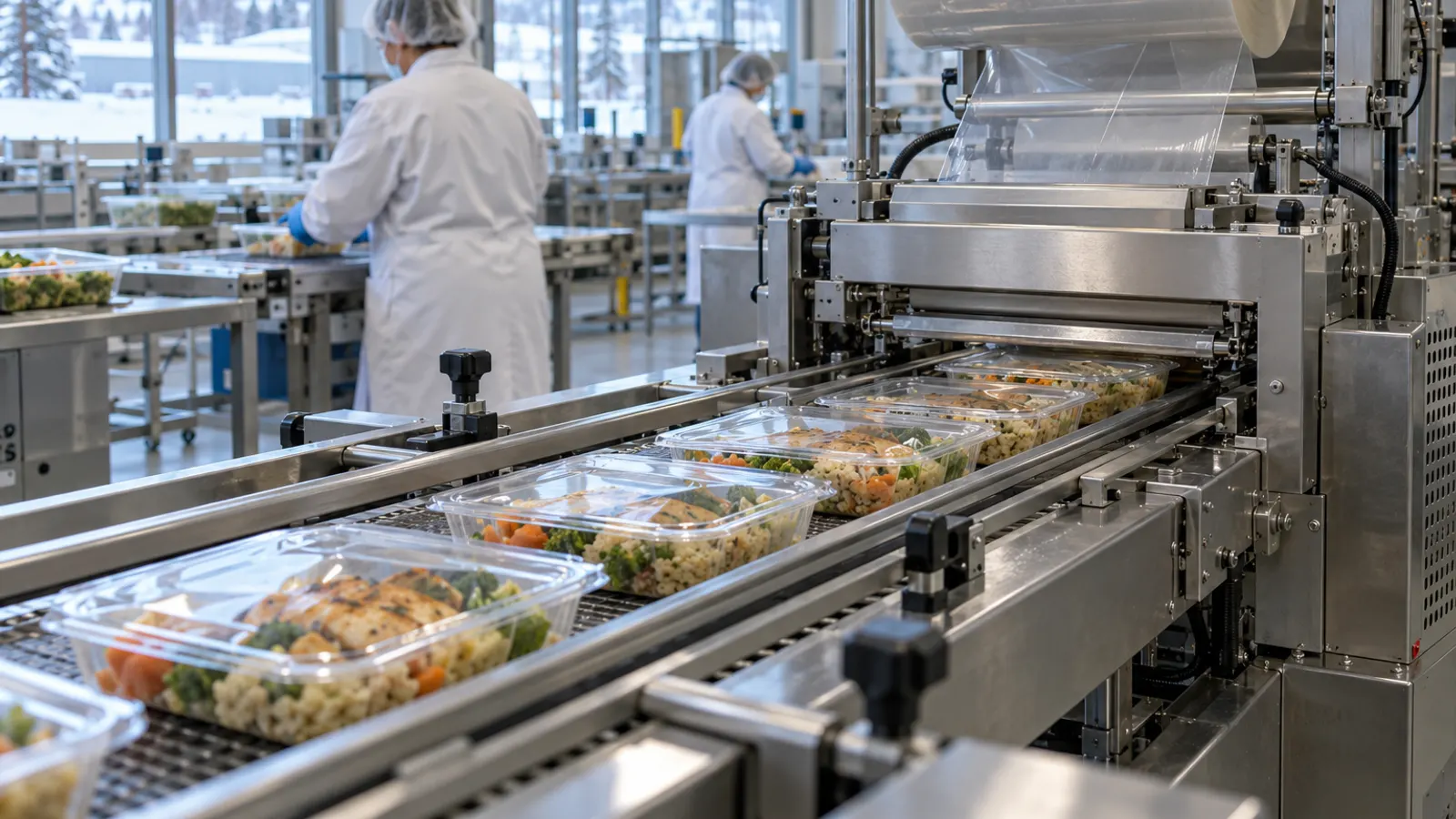
The rule comes down to three checks, in this order: the program’s status on the day you apply, the type of applicant required, then the amount. In fall 2026, it leads a land-based processor to the PAS for the recipe, to the C3i for the machine and to a group for the regional project. The food processing grants guide then details the streams of the main programs.
A MAPAQ grant is often won before it opens, with up-to-date financial statements and quotes already in hand. To position your project among the 17 programs, talk to a grants advisor.
FAQ
Which MAPAQ grant is open right now for a food processor?
Mainly the Healthy Eating Program. As of October 25, 2026, it is the only MAPAQ grant broadly open to a processor applying on its own, on a continuous basis until March 31, 2029, for a diagnostic study or the reformulation of a food product. Artisans also have stream 1 of the advisory services, and aquatic product processors have three more programs. Check the official program page on the day you apply: a status can change within hours.
Is a business that has its products made under contract eligible?
Sometimes. The SIAM and the SEB explicitly accept a business that entrusts all the processing of its foods to a subcontractor in Quebec. The Proximity Initiative, on the other hand, excluded businesses that subcontract their processing, before it closed on June 8, 2026. Each program defines its applicant in its own way. Before applying, read the “eligible clientele” section of the program page and keep your contract with your co-packer close at hand.
Does MAPAQ fund the purchase of production equipment in 2026?
Not at the moment. The PTA, which paid for automation and food safety, has been closed since August 2026, and no reopening had been announced as of October 25. The PAS only covers quality control equipment. The C3i tax credit takes over, at 15%, 20% or 25% depending on the region, for property acquired before 2030. Have your quotes prepared now: they will serve for the C3i as well as for a reopening.
How can you tell when a MAPAQ program reopens?
Through MAPAQ’s regional food processing advisor, first of all. This network presents the programs, helps with applications and follows up on projects. The department also publishes the L’Écho des marchés newsletter, and each official program page shows the date its status was last updated. Note the recurring dates, such as January 15 for advisory services, and add them to your management calendar.

Elie Karam
President
Expert in grants and tax credits, Elie Karam has been helping Quebec businesses obtain government funding for over 15 years. His passion for innovation and deep expertise in financial assistance programs make him the ideal advisor to maximize your returns.
View LinkedIn profile